





Temperature Mapping
Requirements, best practices, and how to get it right
Important facts and considerations when performing temperature mapping – or what to look for in a temperature mapping contractor.
Temperature control isn’t about assumptions, it’s about documented proof. In regulated industries such as pharmaceutical manufacturing, you must demonstrate that your storage areas and processes consistently operate within defined limits. Pharmaceutical temperature mapping provides the documented data required to demonstrate compliance.
What Is Temperature Mapping?
Temperature mapping, also known as thermal mapping, measures and documents the temperature profile of a controlled environment or process over a defined period.
When you operate freezers, refrigerators, stability chambers, warehouses, incubators, autoclaves, or depyrogenation ovens, you must confirm that every critical point performs within its specified limits. Mapping verifies performance with data.
By placing multiple calibrated sensors throughout the unit under test, you identify temperature variations, fluctuations, and potential hot or cold spots. You then analyze the collected data to confirm that the environment consistently meets required tolerances.
Generate Documented Evidence of Safe & Compliant Performance
Temperature mapping provides the proof that your controlled temperature units and processes operate within defined specifications. It gives you defensible documentation that supports quality assurance, regulatory inspections, and long-term compliance.
Why Perform Temperature Mapping?
Protect Product Quality
If you operate in a regulated industry, temperature mapping is not optional. GxP requirements and established temperature mapping guidelines require documented verification of environmental control.
You’re responsible for demonstrating that your storage areas, environmental chambers, and sterilization processes perform within defined temperature limits. Without mapping, you can’t prove that your equipment consistently protects product quality and patient safety.
Replace Assumptions with Defensible Data
Even well-designed systems experience temperature fluctuations. External conditions, equipment performance, and operational variables can affect uniformity within a controlled temperature unit. Mapping allows you to detect these variations before they become compliance issues.
The extent and frequency of temperature mapping depend on your internal risk assessment. Product sensitivity, storage conditions, and processing type determine how often you must perform mapping and how extensive the documentation needs to be. Proper execution ensures that your temperature mapping validation activities produce defensible, inspection-ready documentation. Temperature mapping gives you control. It replaces assumptions with data and ensures that your operations remain compliant, defensible, and audit-ready.
When to Perform Temperature Mapping
The 5 Crucial Triggers for Temperature Mapping
Temperature mapping should be performed whenever changes occur that could affect the performance of your controlled temperature units or processes. The following five scenarios typically require evaluation and documented mapping:
- New Equipment Installation: When you install new critical equipment, you must complete an initial qualification. For equipment such as autoclaves, this includes qualifying specific cycles and load configurations based on how you’ll use the unit in practice.
- After Repair or Maintenance: If you repair, adjust, or service a unit, confirm that it still performs within specification.
- After Relocation: Moving equipment can affect performance. Environmental conditions and airflow patterns may change. Requalification ensures continued compliance.
- Periodic Requalification: Many sterilization instruments require annual requalification. Storage areas may require mapping at defined intervals based on risk assessment and regulatory expectations.
- Seasonal Impact on Storage Areas: Large storage areas can be affected by seasonal temperature changes. Seasonal mapping may be necessary to demonstrate continued compliance, particularly for warehouse temperature mapping applications.
Always let risk guide your mapping strategy. If temperature performance could change, verify it with data.
How to Perform Temperature Mapping
A Structured, Defensible Process
Successful temperature mapping follows a structured, well-documented approach. You must plan, execute, and report each step according to good documentation practices.
- Define a Clear, Risk-Based Protocol: Define the scope of the study, sensor placement strategy, operating conditions, and acceptance criteria. A robust protocol ensures repeatability and regulatory alignment with applicable temperature mapping guidelines.
- Execute With Calibrated, Traceable Equipment: Place sensors strategically throughout the unit under test and collect data over the defined period. Sensor quality, placement logic, and documentation discipline are critical to generating reliable results.
- Analyze Data & Document Conclusions: Evaluate collected data to identify variations or excursions. The final report should include executed protocols, raw data, deviation analysis, and a clear compliance conclusion. This documentation must withstand regulatory review.
What Types of Equipment Require Temperature Mapping?
Identify Every Environment Where Temperature Uniformity Is Critical
Temperature mapping applies to any controlled temperature unit or process where uniformity and documented performance are essential for compliance.
The most common categories include:
- Controlled Temperature Units: Controlled temperature units such as freezers, refrigerators, incubators, and stability chambers must demonstrate consistent performance across all critical points.
- Large Storage Areas & Warehouses: Large storage areas and warehouses require sensor placement that reflects facility layout, HVAC configuration, racking systems, seasonal impact, and operational traffic. Each environment requires a risk-based strategy, particularly for warehouse temperature mapping projects.
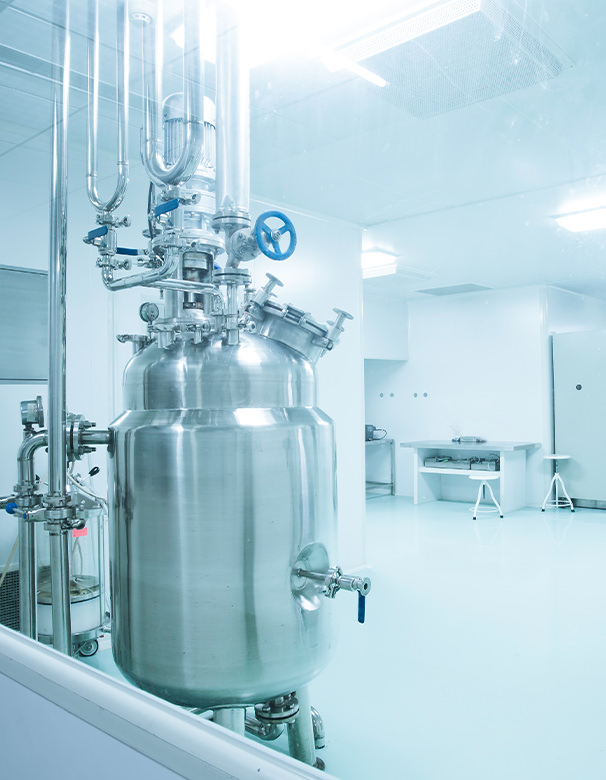
- Sterilization & High-Temperature Processes: Sterilization and high-temperature processes such as autoclaves, depyrogenation ovens, steam-in-place systems, controlled-rate freezers, lyophilizers, and retorts require qualification to confirm that required temperatures are achieved and maintained for the defined duration.
Although applications vary, the principle remains the same. You must generate documented evidence that the process performs as intended under defined conditions.
What Equipment Do You Need for Temperature Mapping?
Choose the Right Measurement Technology
To perform temperature mapping effectively, you need reliable, calibrated equipment that fits your application and regulatory requirements.
Two primary technologies are typically used:
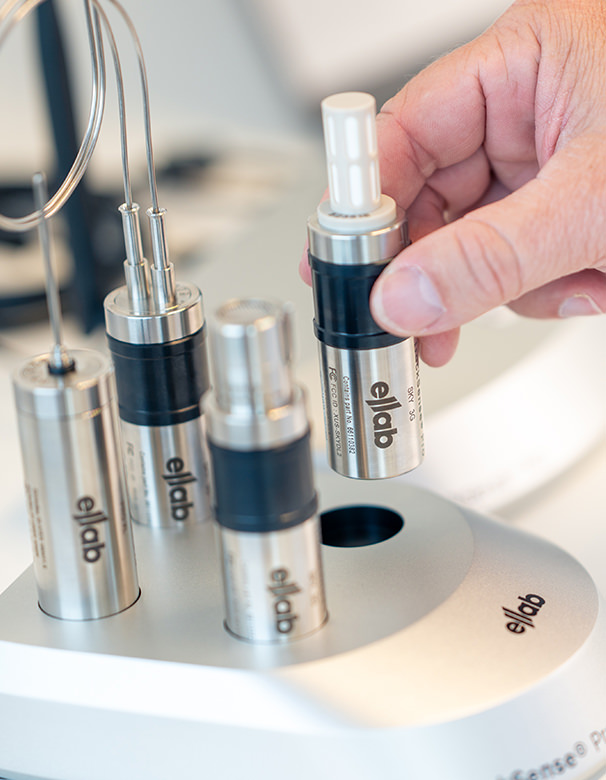
- Data Loggers: Data loggers are ideal for storage areas, warehouses, environmental chambers, and cold-chain applications. Self-contained units record temperature over time and provide scalable, traceable solutions for routine and large-scale studies.
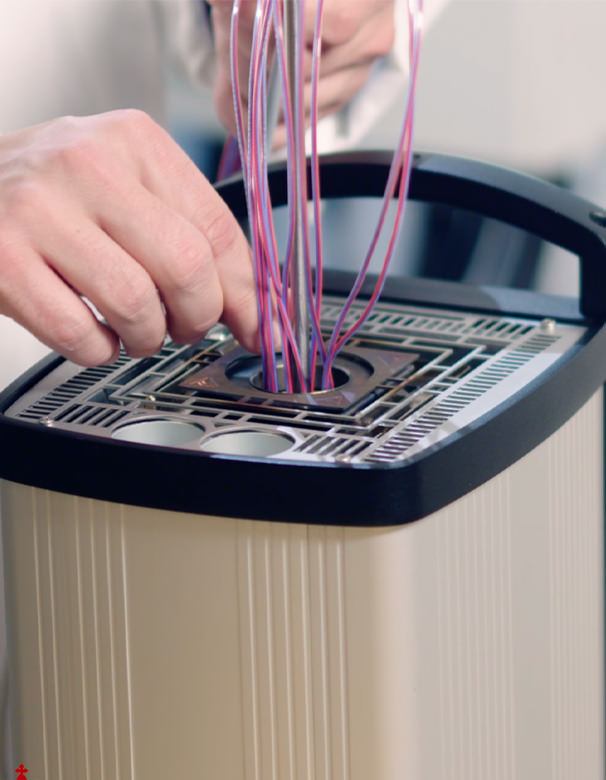
- Thermocouple Systems: Thermocouple systems are preferred for high-temperature processes such as autoclaves and depyrogenation ovens. External sensors connected to a base unit deliver precise measurements in demanding thermal environments.
Whichever system you use, it must be calibrated, traceable, and capable of producing documentation that withstands regulatory scrutiny.
What to Look for When Selecting a Temperature Mapping Contractor
Choosing the right partner directly affects your compliance position and documentation quality.
Evaluate technical competence, equipment quality, protocol robustness, documentation standards, and industry credibility.
A Contractor Should Strengthen Your Validation Strategy
Temperature mapping is not an isolated task. It’s part of your broader compliance framework. The right contractor does more than execute a study. They understand your validation life cycle, your risk profile, and your long-term operational goals.
When selecting a partner, ensure they contribute strategic insight and sustainable validation practices, not just completed reports.
What Ellab Offers
A Complete Solution, Not Just a Service Provider
We support you with the right equipment, software, and expertise.
Equipment You Can Rely On
We design and manufacture our own temperature mapping systems, including data loggers and thermocouples. You can purchase, rent, or lease equipment to match your operational needs.
Software That Simplifies Compliance
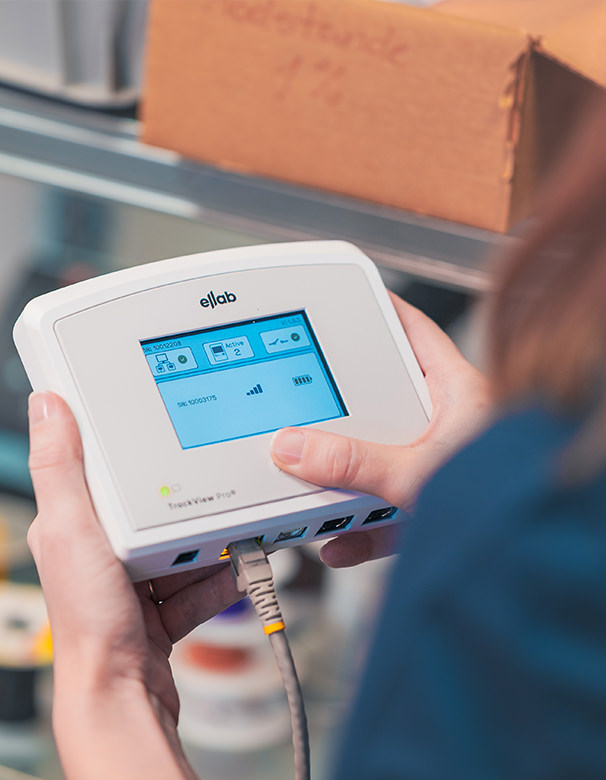
With ValSuite®, you collect, analyze, and document mapping data in a structured, compliant way that supports efficient temperature mapping validation.
Engineers Who Understand Your Environment
Our validation engineers support turnkey projects or provide part-time or full-time staffing support when needed.
Whether you need equipment, software, engineering expertise, or long-term operational support, Ellab enables you to scale temperature mapping with confidence and full compliance control.
- What Is Temperature Mapping?
- Why Perform Temperature Mapping?
- When to Perform Temperature Mapping
- How to Perform Temperature Mapping
- What Types of Equipment Require Temperature Mapping?
- What Equipment Do You Need for Temperature Mapping?
- What to Look for When Selecting a Temperature Mapping Contractor
- What Ellab Offers
- A Complete Solution, Not Just a Service Provider