Skip to the content
Would you like to change the language?
About Ellab
Careers
Contact

About Ellab

Learn What a Compliance
Partner Can Do for You

About Ellab
  • Ellab News
  • Our Purpose
  • Our History
  • Group Board & Management
  • Sustainability
  • Quality
  • Certifications & Accreditations
  • Ellab Whistleblower Scheme
  • Policies
Mega Menu Image

Gain free access to industry knowledge and compliance best practices on our Resource Library!

Careers

Looking to Join the
Leading Compliance Partner?

Apply at Ellab
  • Working at Ellab
  • Applying for a Job at Ellab?
  • Careers
Mega Menu Image

Gain free access to industry knowledge and compliance best practices on our Resource Library!

Contact

Find Your
Local Service Team

Contact
US
  • Team New Hampshire
  • Team New York
  • Team Texas
  • Team Colorado
  • Team Missouri
  • Team California
  • Team Illinois
  • Team Pennsylvania
  • Team North Carolina
  • Team Florida
Europe
  • Team Nordics
  • Team Germany
  • Team Switzerland
  • Team Austria
  • Team Italy
  • Team Ireland
  • Team UK
  • Team France
Mega Menu Image

Gain free access to industry knowledge and compliance best practices on our Resource Library!

Ellab
  • Validation
  • Monitoring
  • Calibration
  • Applications
  • Resources
Contact Us
  • Español
  • Deutsch
Ellab
  • Español
  • Deutsch
Ellab

Ensuring Compliance and Quality in Your Processes
with Our Validation Solutions Arrow Icon

Keep Your Assets Safe & Your Processes Compliant
with Our Monitoring Solutions Arrow Icon

Maintain the Accuracy of Your Equipment
with Our Calibration Solutions Arrow Icon

Achieve Complete Process Compliance
in the Life Science Industry Arrow Icon

Gain Free Industry Insights and Best Compliance Practices
On Our Resource Library Arrow Icon

Mega Menu Image

Gain free access to industry knowledge and compliance best practices on our Resource Library!

Icon
Get the latest news from Ellab Receive products updates, company news and more. You can unsubscribe from these communications at any time.
Calibration

How To Calibrate a Thermometer in a Controlled Temperature Unit

Ellab
15 October 2024
  • What is Thermometer Calibration?
  • Why is Regular Calibration Important?
  • How to Calibrate a Thermometer in a Controlled Temperature Unit

A reliable thermometer is essential for getting accurate temperature readings, and regular calibration helps maintain this accuracy. Accurate temperature measurements are critical in many fields including pharmaceuticals and lab research.

What is Thermometer Calibration?

Calibration is the process of checking if a thermometer is giving correct temperature readings. This is done by comparing the thermometer’s readings to a known, standard temperature. Calibration helps make sure the thermometer is as accurate as possible, with only a small difference from the real temperature. Without calibration, even small mistakes in readings can lead to wrong data or unsafe conditions in processes where temperature is important.

Why is Regular Calibration Important?

The accuracy of thermometers’ readings deteriorates over time, and their readings “drift” slightly, giving inaccurate measurements. This deterioration is caused by regular wear and tear, but it can also be the result of other environmental issues. Regularly calibrating your measuring devices would ensure your readings are correct.

Regular thermometer calibration is crucial for several reasons:

  • Accuracy: Uncalibrated thermometers can give false readings, which could affect your results or processes. In places such as pharmaceutical storage or laboratory work, even a small temperature error can lead to ruined products or inaccurate experimental results.
  • Safety: In environments where exact temperature control is needed, like cold storage or sterilization, using an uncalibrated thermometer could cause safety risks. If temperatures are outside the safe range, equipment may fail, or workers could be in danger.
  • Compliance: Many industries must adhere to regulatory standards that require accurate, traceable temperature readings. Regular calibration makes sure that your thermometer complies with these standards and can pass audits or inspections.

How to Calibrate a Thermometer in a Controlled Temperature Unit

  1. Know your Requirements: It is important to understand what temperature points you need to achieve. Depending on your industry or process, certain temperatures are critical for safety and product quality.
  2. Stabilize the Controlled Unit: Before calibration, make sure the temperature in the controlled unit is stable. Allow enough time for the environment to reach and maintain a consistent temperature.
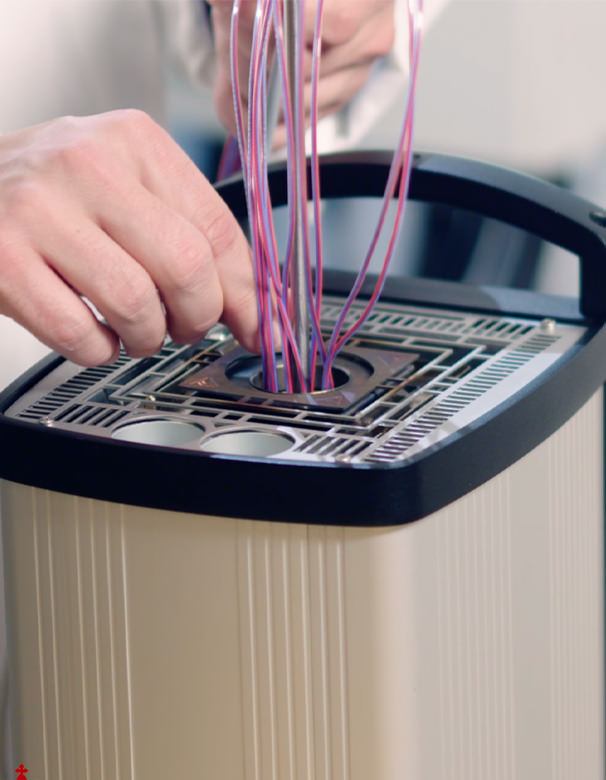
  3. Insert the Thermometer: Place the thermometer correctly in the unit, making sure the probe or sensor isn’t too close to heat or cold sources inside the unit, such as fans or cooling coils.
  4. Compare with a Calibrated Reference Thermometer: Use a second, already calibrated thermometer to take a reading of the same space. This provides a benchmark against which the thermometer being calibrated can be measured.
  5. Record the Results: Keep a record of both the pre- and post-calibration readings. This is important for both compliance and for future reference.

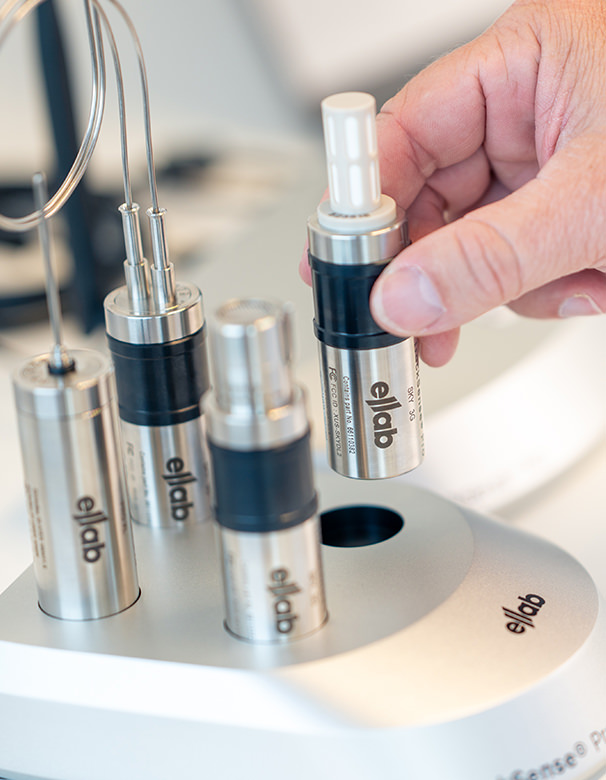
At Ellab, we are dedicated to meeting your calibration needs. Whether you need help setting up your temperature-controlled units or require on-site calibration services, our expert team is ready to assist you. Our expert team can calibrate your equipment, ensuring it operates accurately and reliably.

Enhance process efficiency with compliance hardware and services.

Want to safeguard your products?

Get Your Free Consultation

Trending Posts

The Cost of Delays: How Equipment Rental Powers Seamless Seasonal Mapping

In life science environments, where operational continuity and regulatory compliance are critical, performing seasonal mapping, also referred to as a temperature mapping study, in controlled spaces during seasonal extremes is nonnegotiable. As ambient conditions shift with the seasons, the need for reliable, timely validation becomes more pronounced, and the risk of delay increases. Yet, many organizations struggle with resource constraints, shortages of temperature validation equipment, and peak-period bottlenecks, often culminating in costly disruptions. A forward-thinking approach leverages equipment rental to remove these barriers. Renting temperature validation equipment empowers you to respond confidently to seasonal mapping needs, minimizing delays and maintaining compliance, all while optimizing costs and resource allocation. Unlocking Seasonal Mapping Agility with Equipment Rental Traditional ownership of validation equipment can present obstacles, such as high upfront investment, maintenance burdens, or inflexibility during periods of fluctuating demand. Equipment rental offers an agile, scalable alternative. With a dedicated rental partner, you gain rapid access to the latest, fully-calibrated technology, precisely when and where it’s needed. Cost Savings Through Targeted Resource Allocation Rather than tying up capital in equipment that may sit idle much of the year, equipment rental transforms procurement into a lean operational expense. Expenses are predictable, and you pay only for what you use, eliminating hidden costs related to maintenance, storage, or technological obsolescence. This frees budget for strategic initiatives while ensuring you have exactly the right equipment on hand for high-stakes seasonal mapping periods in any warehouse, cold room, or temperature-controlled environment. Flexibility for Peak Demand Seasonal mapping demand peaks in the depths of winter and the heights of summer. Relying solely on internal resources or owned equipment can leave you unprepared for these surges. Rental programs let you scale your resources effortlessly, ensuring you have the right quantity and type of temperature data logger rentals and sensors, without long lead times or last-minute procurement challenges. If a unit fails, replacement is swift; if project scope changes, scaling up is seamless. Immediate Access to Leading Technology Every compliance-driven operation wants assurance that their temperature mapping studies use best-in-class tools. Rental providers maintain advanced and diverse inventories of temperature validation equipment and temperature data logger rentals, so you’re never left using outdated or insufficiently calibrated devices. This ensures audit readiness, robust data integrity, and continuous alignment with the latest regulatory standards for your warehouse, cold room, or other facilities. The True Costs of Delayed Mapping - and How Rentals Mitigate Them Delaying seasonal mapping introduces real, cascading costs: Operational Downtime: If a temperature mapping study is postponed due to insufficient temperature mapping equipment rental availability, critical spaces such as warehouses, cold rooms, or stability chambers remain out of service, stalling workflow and revenue. Compliance Setbacks: Delays increase the risk of incomplete documentation or reactive, error-prone studies, exposing your organization to audits, observations, or costly remediations. Premiums for Last-Minute Procurement: Scrambling to source temperature validation equipment or temperature data logger rentals during peak demand means paying more for expedited logistics and urgent calibration. Rentals, arranged proactively, shield you from these unnecessary expenses. A strategic rental approach eliminates these friction points. By partnering with a trusted provider like Ellab, you secure calibrated equipment in advance, enabling a smooth, timely mapping process that keeps operations moving and compliance intact. Proactive Steps for Rental-Driven Efficiency in Seasonal Mapping To fully leverage the benefits of equipment rental for seasonal mapping or a temperature mapping study, incorporate these best practices: Reserve Rental Equipment Well Ahead of Seasonal Peaks Anticipate your mapping windows and book your temperature mapping equipment rental 4 to 6 weeks in advance. This guarantees access to the right devices and allows for pre-deployment checks, mapping plan adjustments, and risk mitigation. Use Equipment Providers’ Expertise to Optimize Your Study Quality rental partners offer more than hardware. They bring deep expertise in study setup, data analysis, and compliance. Lean on their guidance for optimal sensor placement in your warehouse or cold room, for data integrity, and for streamlined reporting in every temperature mapping study. Prioritize Pre-Deployment Validation Upon receiving your temperature validation equipment or temperature data logger rental, perform checks immediately. Review calibration certificates, verify quantities, and ensure all devices meet your study duration requirements. Early identification of gaps avoids last-minute delays. The Future-Proof Approach to Seasonal Mapping As compliance requirements and seasonal volatility continue to evolve, forward-looking life sciences organizations are adopting rental solutions, moving away from rigid, ownership-centric models. Rental options drive efficiency, responsiveness, and cost-effectiveness in critical processes such as seasonal and temperature mapping studies. By making equipment rental a central pillar of your validation strategy, you: Ensure uninterrupted operations, regardless of seasonal or project-specific surges Maintain budget flexibility and avoid unplanned capital outlay Access cutting-edge, calibrated temperature validation equipment and data loggers on demand Benefit from expert support, optimizing both timeline and data quality Explore our flexible equipment rental options today and secure the resources you need for seamless seasonal mapping, whether for your warehouse, cold room, or any temperature-sensitive environment.  

Applications, Validation

On-Site Calibration: Transforming Control, Predictability, and Compliance Across Life Science Operations

In regulated life science environments, calibration directly impacts uptime, compliance, and confidence in critical measurements. If your calibration program has ever stalled due to shipping delays, vendor capacity, or unexpected turnaround times, you’ve already seen the most expensive side of calibration: Uncertainty. In regulated environments, uncertainty translates into operational downtime, blocked capacity, and risk to product integrity. What Is On-site Calibration in Life Science Operations? On-site calibration refers to the calibration of instruments at the point of use, inside regulated facilities such as laboratories, manufacturing areas, or controlled storage environments. By eliminating transport and external lab dependencies, on-site calibration improves scheduling control, reduces downtime, and supports compliance by keeping assets, data, and documentation within the organization’s quality system. How Does On-site Calibration Reduce Downtime and Operational Disruption? In traditional off-site calibration models, even an annual calibration event becomes a complex logistical chain: Packaging and preparation Shipping and carrier delays Vendor intake and lab queueing Testing and documentation Return logistics and re-commissioning Each step introduces delay, risk of damage or loss, and potential exposure of product or data. When timelines slip, teams are forced into reactive decision-making, blocking experiments, delaying batch release, or implementing temporary storage and workarounds. On-site calibration reduces downtime by removing these external variables entirely. Equipment is calibrated where it is used, according to a controlled schedule that aligns with operational needs. Technicians can perform adjustments or minor repairs immediately, allowing assets to be returned to service the same day. By eliminating transport, intake queues, and handoffs, organizations regain control over timing and availability. Why Does Visibility Increase When Calibration Happens in Your Own Facility? When calibration happens inside your facility, visibility increases because the process is fully transparent and immediate. Instead of waiting weeks for reports or certificates, teams see calibration outcomes in real time. Equipment status, failures, and required adjustments are discussed while technicians are still on-site, turning calibration from a delayed report into an actionable decision. Examples of real-time responses enabled by on-site calibration include: A freezer drifts outside tolerance → product is relocated immediately. A pipette is borderline → it is recalibrated on the spot. A balance needs adjustment → spare parts are installed during the visit. Nothing is hidden behind a third-party workflow. Your team understands what is happening and why. Which Equipment Is Best Suited for On-site On-site calibration delivers the greatest value for frequently used, high-availability assets where downtime has immediate impact, including: Pipettes Balances Thermometers and temperature probes Refrigerators and cold rooms ULT freezers These assets can be staged in advance, calibrated, adjusted, and released on a single visit, minimizing disruption to R&D, QC, or production activities. Building a Calibration Program That Supports Control and Compliance Whether calibration happens on-site or at a calibration laboratory, program design determines effectiveness. Key elements include: Comprehensive asset assessment and onboarding: Ensure all instruments, equipment, and controlled environments are included, classified, and assigned appropriate service requirements. Specifications based on real-world use: Define test points and acceptance criteria that reflect how equipment is actually used, rather than defaulting to unnecessary OEM ranges. Risk-based interval management: Adjust calibration intervals based on criticality and performance history to balance risk and efficiency. Proactive adjustment limits: Establish thresholds for adjustment before assets drift out of tolerance, reducing the likelihood of failures at future calibrations. Documentation that is complete and defensible: Every decision, whether excluding a test point, extending an interval, or marking an asset as calibration not required, must be clearly justified and recorded. These elements ensure calibration records do more than prove compliance: They demonstrate control.

Calibration

Stop Repeating Freezer Studies: Introducing TrackSense™ Frigo UX Sky

Live data. Fewer delays. More production time. Freezer qualifications and re-validations are notoriously time-consuming. A single failed study – often only discovered at the end of a days-long run – can set projects back days or even weeks. The result? Wasted time, repeat work, and unnecessary downtime. The new TrackSense™ Frigo UX Sky  changes that. By giving you real-time visibility into your freezer studies, it helps you act early, prevent failures, and complete qualifications on time – the first time. Stay in Control from Start to Finish When a data logger fails, it’s rarely caught until the study ends. That means days of wasted effort, freezers out of action, and the frustration of having to start over. In life science, every idle freezer represents lost production capacity – and sometimes millions in delayed product. Frigo UX Sky removes the guesswork. With over 1.500 hours of continuous live data at –90 °C. Teams can spot issues as they happen, take corrective actions, and keep studies – and production – moving forward without disruption. Built for Reliable, First-Time Success No lost data: Automatic backfill ensures datasets stay complete. On-site calibration: Keep sensors validated without interrupting workflows. Powerful RF signal: Reliable transmission up to 200 m. Full temperature coverage: From –90 °C to +140 °C with one system. By combining robust performance with real-time monitoring, Frigo UX Sky ensures freezer qualifications finish on schedule, downtime is reduced, and costly repeat studies become a thing of the past.

Applications, Validation

Stay updated

Stay informed with the latest news and insights.

Subscribe
Logo

Reach us anytime
for support and guidance.

Contact Us

Compliance Solutions

  • Validation
  • Monitoring
  • Calibration

Knowledge

  • Blog
  • Resource Library

About Ellab

  • Who we are
  • Our Purpose
  • Our History
  • Board & Management

Careers

  • Career Opportunities
  • Working at Ellab

Support

  • Imprint
  • eService
  • VMS
  • Teamviewer
  • Linkedin
  • Youtube

© 2026 Ellab A/S. All rights reserved
Privacy Policy | Terms & Conditions | Certifications & Accreditations | Cookie Consent Manager
Do you have a question?


Get Free Unlimited Access to Our Resource Library

Fill out the form below to get free access to industry knowledge and best practices within life science compliance.

Stay Updated on News From Ellab

Send Us a Message