





Temperature Mapping Study: Expert Tips & Best Practices

Ellab
Temperature Mapping Study: Best Practices from an Ellab Expert
A successful temperature mapping study requires planning, accurate measurements, and an understanding of which factors influence temperature distribution. Every step, from sensor placement to identifying hot and cold spots, plays a role in ensuring reliable results and supporting compliance in temperature-controlled environments.
What should you consider when planning a temperature mapping study, and how can you avoid common challenges that affect measurement accuracy?
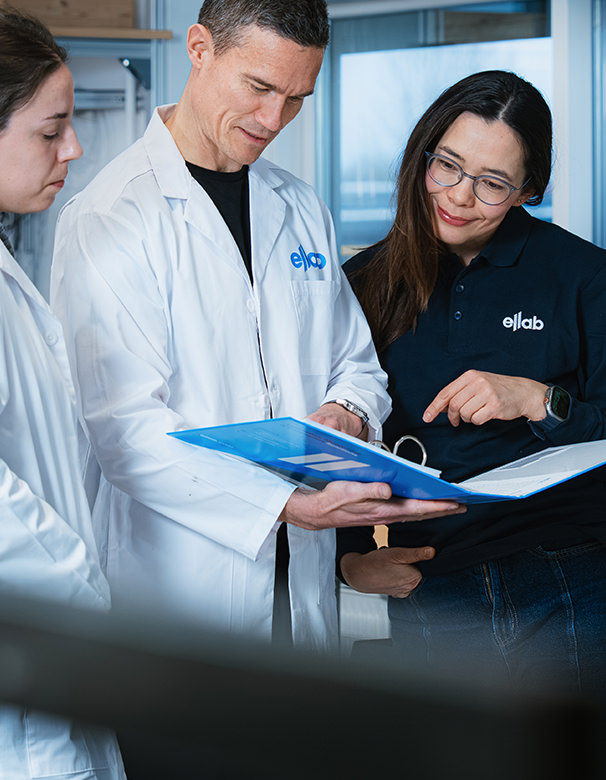
We spoke with Dirk Sanwald, our senior validation trainer here at Ellab, to explore the key considerations behind an effective freezer temperature mapping, including some practical tips for study prep, sensor positioning, and choosing of equipment.
Dirk, what are the key aspects that need to be considered when planning a temperature mapping study of a freezer?
Dirk: There are several important factors to consider, including the type and design of the equipment, its size and usable volume, and the number of levels. You also need to define the temperature range and acceptance criteria, as well as the logger placement, measurement interval, and study duration. Finally, the loading condition and operating conditions of the freezer need to be taken into account.
And how do you determine the right number and position of temperature sensors for a mapping study?
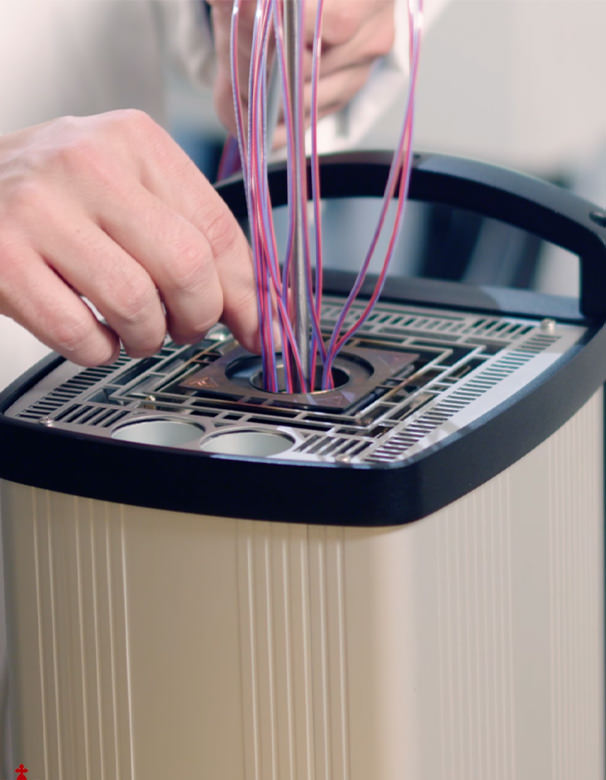
Dirk: The number and position of the loggers depend mainly on the size, design, and number of levels in the equipment. At a minimum, the eight corners and the center of the equipment should be monitored. It is also useful to place a logger in the center of each level. For a freezer with five levels, this results in a total of 13 loggers.
When performing measurements under loaded conditions, additional loggers should be placed within a representative load. To investigate the impact of door openings on the product, a worst-case container is used. This is usually the smallest stored volume, as it reacts more quickly to temperature changes.
That makes sense. How do you identify hot and cold spots, and why are they so important for temperature-controlled storage?
Dirk: Hot and cold spots are identified through temperature mapping under empty conditions. We compare the temperature profiles from all measurement points to determine where the highest and lowest temperatures occur.
It is important to look not only at the average temperatures but also at short-term fluctuations, for example those caused by control or defrost cycles. These areas are particularly important because they represent the highest risk of temperatures exceeding or falling below the permitted range. The identified hot and cold spots can then be used as the basis for the risk-based positioning of permanent monitoring and alarm sensors.
What are some of the most common challenges engineers encounter during temperature mapping studies?
Dirk: Common challenges include unsuitable placement or inadequate fixation of the data loggers, equipment that has not been fully stabilized, and loads that have not been sufficiently temperature-conditioned.
Another issue can be loads that were previously stored in locations that were too warm. A lack of knowledge of the applicable SOPs can also lead to deviations during the study.
The good news is that these challenges can largely be avoided through careful preparation. Logger positions and fixing methods should be defined in advance, the equipment should be given sufficient time to stabilize, and the load should be pre-conditioned under defined conditions.
It is also important that everyone involved is familiar with the relevant SOPs and the test protocol before the mapping study begins.
Finally, how do you select the right equipment for temperature mapping to ensure accurate and reliable results?
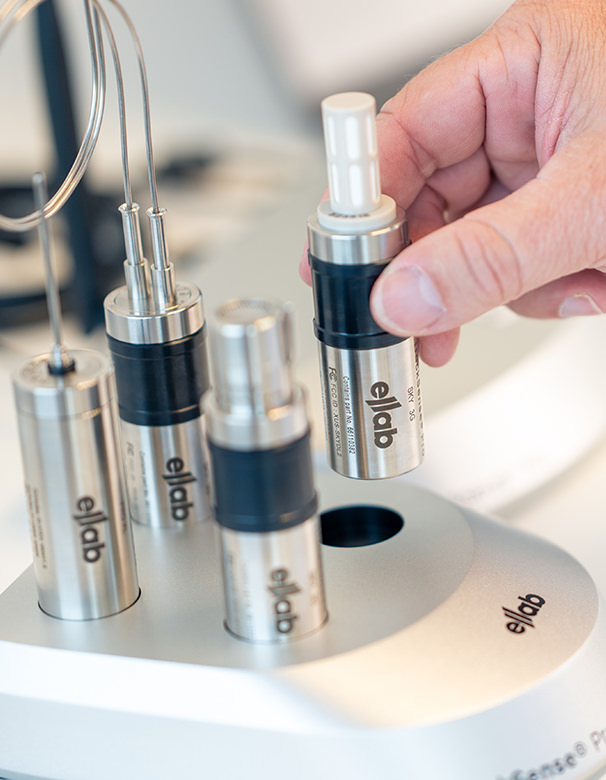
Dirk: The equipment needs to be suitable for the expected temperature range, environmental conditions, and defined acceptance criteria.
Key factors include sufficient measurement accuracy, valid calibration, an appropriate measurement interval, and enough storage capacity.
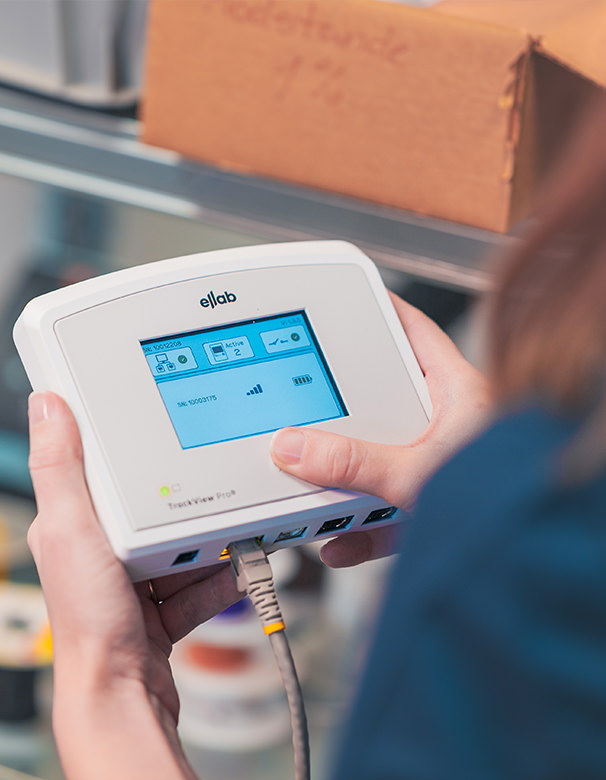
It is also important to understand the planned tests and mapping protocol in advance. If measurement values need to be checked before opening the equipment, data loggers with a wireless module can be very useful.
For example, they allow you to check whether the temperature has returned to the acceptance range after a door-opening test, without having to open the equipment again and potentially affecting the measurement results.
Dirk, thank you very much for sharing your expertise and these great insights into temperature mapping!
Strengthen Your Temperature Mapping Strategy with Ellab
Reliable temperature mapping starts with the right approach, equipment, and expertise.
At Ellab, we partner with life science organizations to support temperature mapping and qualification activities through reliable validation equipment and specialized services. Whether you need accurate data loggers for your own mapping studies or expert support with qualification and validation, our integrated solutions help you manage compliance requirements, reduce operational risks, and maintain confidence in your temperature-controlled environments.
Looking to improve your temperature mapping processes? Contact us today to explore how Ellab can support your validation and qualification needs.